The House Edge Explained
The house edge is a fundamental concept in gambling that determines the statistical advantage that casinos have over players. This edge varies depending on the game; for instance, slot machines typically have a higher house edge compared to table games like blackjack or poker. Many gamers are interested in exploring various options, including payid casinos australia , which can provide different experiences. Understanding the house edge is crucial for players as it directly influences their chances of winning. The lower the house edge, the better the odds for the players, making some games more favorable than others.

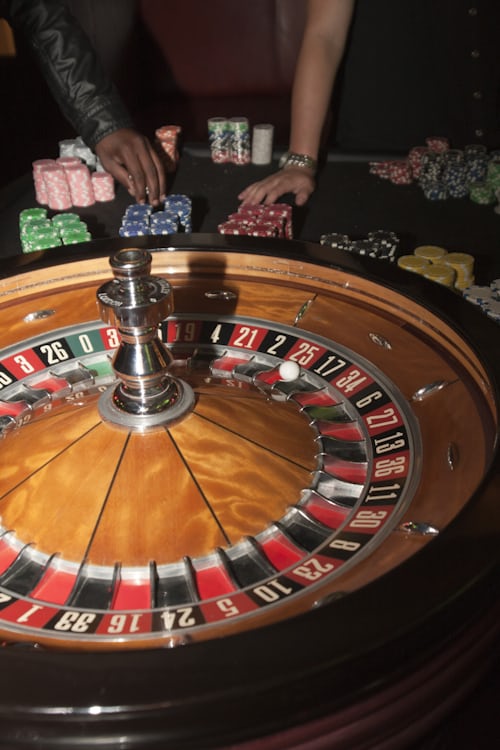
For example, in blackjack, a skilled player can bring the house edge down to around 0.5% with optimal strategy, significantly improving their winning potential. Conversely, in games like roulette, the house edge can be as high as 5.26% for American roulette. This disparity shows why it’s essential for gamblers to choose wisely when selecting which games to play if they aim to maximize their chances against the house.
Ultimately, while the house edge ensures the casino remains profitable over time, players can still enjoy aspects of the game that might temporarily tilt the odds in their favor. Understanding this element enables players to adopt strategies that could potentially mitigate losses or increase winning streaks, although luck will always play a significant role in gambling outcomes. Players should be aware that the house edge is not merely a number; it reflects the long-term results of many gamblers over time, highlighting the importance of smart play.
Strategies to Overcome the Odds
While beating the house may seem like an uphill battle, certain strategies can potentially improve a player’s odds in various casino games. One widely used strategy is card counting in blackjack. This technique involves keeping track of the cards that have been dealt to gauge the likelihood of favorable cards being drawn. With practice, skilled players can adjust their betting strategies based on the remaining cards, effectively lowering the house edge and increasing their chances of success.
Another effective approach is to take advantage of bonuses and promotions offered by casinos. Many establishments provide sign-up bonuses, free spins, or loyalty rewards that can enhance a player’s bankroll without additional costs. By carefully reading the terms and conditions and maximizing these offers, players can extend their gameplay and, in some cases, enhance their chances of winning without increasing their investment. Being strategic about when to play and which promotions to use can significantly impact the overall experience.
Moreover, skill-based games like poker offer an opportunity for players to use their skills against other players rather than the house. In poker, players can leverage their knowledge of game strategy and psychology to outwit opponents, thereby increasing their chances of success. Understanding the nuances of betting patterns and reading opponents can lead to better outcomes than simply relying on luck. Ultimately, while players cannot eliminate the house edge entirely, employing these strategies can significantly enhance their overall experience and potential for winning.
The Role of Luck in Gambling
Luck plays an undeniable role in the realm of gambling, particularly in games of chance, such as slots, roulette, and dice games. The unpredictable nature of these games means that even the best strategies cannot guarantee consistent wins. For instance, a player may have an exceptional strategy in place, but a streak of bad luck can quickly erode their bankroll. This element of chance is integral to the casino experience, injecting excitement and anticipation into each game. Players often find themselves riding the highs and lows of luck, which adds to the thrill of gambling.
On the flip side, some players may experience fortunate winning streaks that lead them to believe they can consistently beat the house. This phenomenon is often referred to as the “gambler’s fallacy,” where players mistakenly think that past outcomes influence future results. Understanding that each game round is an independent event allows players to maintain a clearer perspective on the game and manage their expectations regarding potential wins and losses. Recognizing the randomness of outcomes can help players avoid making irrational betting decisions based on emotion.
Ultimately, the balance of strategy and luck shapes the gambling experience. Acknowledging the role of luck within the context of a well-thought-out approach to playing can help players navigate the ups and downs of casino gaming more effectively. This duality is what makes gambling thrilling—it’s a game of chance, but knowledge and strategy can enhance one’s experience at the tables. Players should embrace the uncertainty while also utilizing strategic insights to improve their enjoyment and potential success.
The Psychological Game of Casinos
The psychology of gambling is a complex aspect that influences players’ behaviors and decisions. Casinos are designed to evoke certain emotions, such as excitement and anticipation, which can lead to impulsive betting and prolonged play. Elements like bright lights, sounds, and free drinks create an atmosphere that encourages players to lose track of time and their money, making it essential for players to remain mindful of their emotional and behavioral responses while gambling. This environment can amplify the thrill of winning but can also lead to detrimental habits if not managed carefully.
Moreover, the concept of ‘loss aversion’ is prevalent in gambling psychology. Players often experience a stronger emotional reaction to losing money than to winning the same amount. This emotional response can lead individuals to chase losses, increasing the likelihood of further financial distress. Recognizing this tendency is vital for maintaining control over one’s gambling habits and making informed decisions. Acknowledging the psychological triggers in a casino can empower players to make smarter choices and avoid impulsive behaviors.
Establishing a clear budget and setting limits before entering a casino can help mitigate the psychological effects of gambling. By having a plan, players can enjoy their experience without falling into the trap of emotional betting. Understanding the psychological elements at play equips players with the tools to navigate the gaming environment more effectively and responsibly. This self-awareness and discipline can significantly enhance the gaming experience, allowing players to engage in gambling as a form of entertainment rather than a source of stress.
Understanding Your Limits and Seeking Help
For many, gambling can be a fun and exciting pastime; however, it also carries risks, particularly for those prone to gambling addiction. Recognizing personal limits is crucial for maintaining a healthy relationship with gambling. Establishing a fixed budget, setting time limits, and recognizing when to take a break are practices that can help gamblers avoid potential pitfalls. Self-awareness is a powerful tool in managing one’s gambling habits, and understanding personal triggers can lead to more responsible gaming behavior.
If gambling begins to feel more like a compulsion than a choice, seeking help is vital. Many organizations offer support for those struggling with gambling-related issues, providing resources and counseling to help individuals regain control over their habits. The acknowledgment that gambling can become a problem is the first step toward recovery and healthier recreational activities. Encouraging open discussions about gambling addiction can help reduce stigma and promote a culture of support.
Moreover, education plays a significant role in prevention. Awareness campaigns and outreach programs inform individuals about the risks of gambling and the signs of problematic behaviors. By equipping people with knowledge about responsible gambling practices, the chances of developing unhealthy habits can be greatly reduced, allowing for safe and enjoyable gaming experiences. An informed player is better equipped to engage with the games responsibly, ensuring that gambling remains a source of fun rather than distress.