
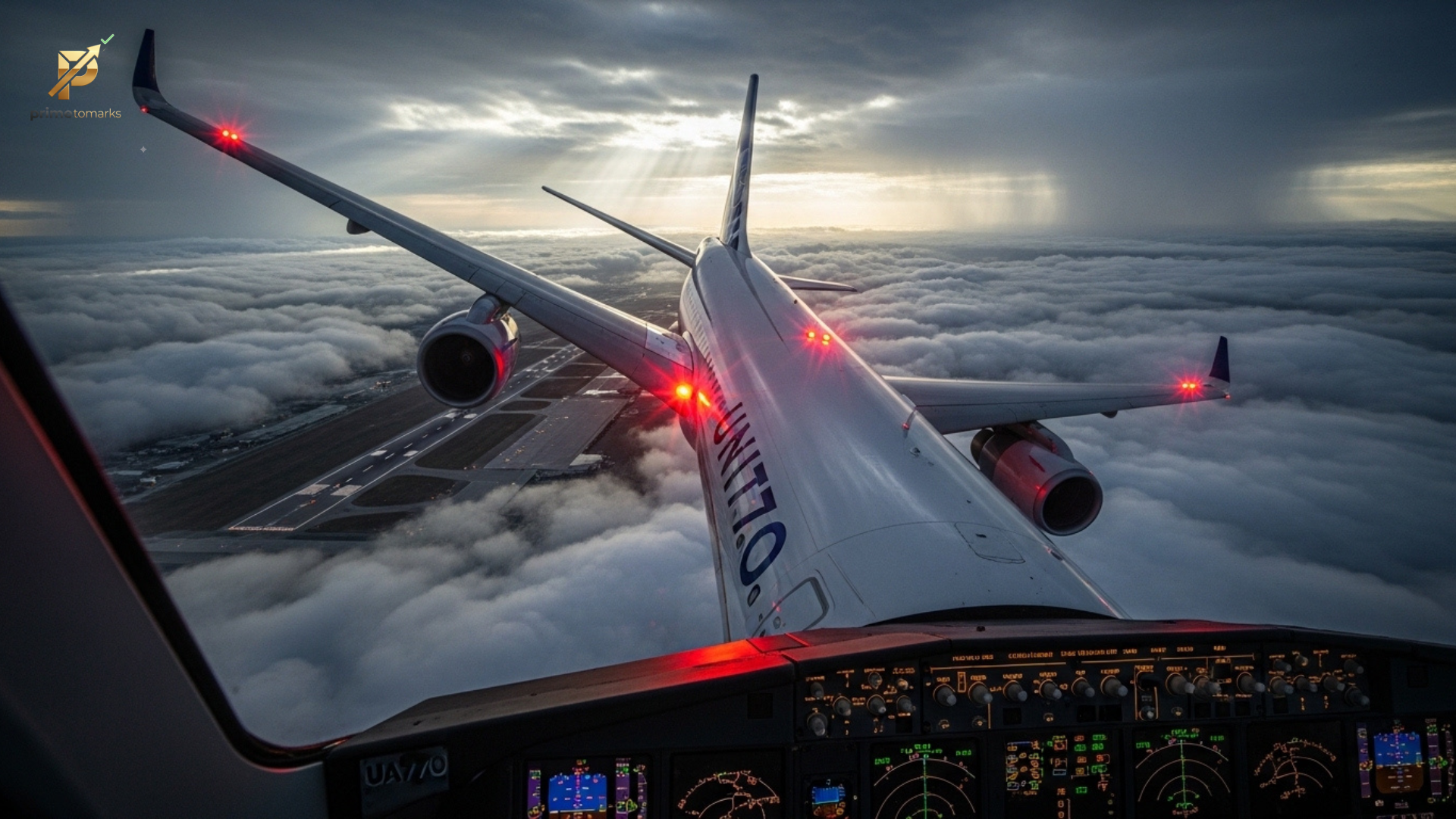
What happened during this unexpected turn of events? How did the flight crew handle the situation? As we break down each aspect of this harrowing experience, you’ll gain insight into what really went on aboard United Airlines Flight UA770 during its emergency diversion. Buckle up as we dive into every detail of this unforgettable journey through turbulence and triumph.
Overview of Flight UA770
The aircraft in question was a Boeing 737-900ER, known for its reliability and comfort. With a seating capacity of over 170 passengers, it featured modern amenities designed to enhance the flying experience.
As flight UA770 ascended into the skies that day, expectations were high. Little did everyone know that within hours, an emergency would prompt an unexpected turn towards safety. The stage was set for what would soon become a gripping ordeal involving quick thinking and decisive action by those on board.
What Triggered the Emergency Diversion
The flight was en route to Los Angeles when warning lights indicated potential engine trouble. This type of alert requires swift action from the pilots, who are trained to prioritize safety above all else.
As protocols dictate, the captain quickly assessed the situation. Communication with air traffic control became crucial as they prepared for an emergency diversion. The decision was made to land at the nearest airport that could accommodate such circumstances safely.
Passengers remained largely unaware of the severity of the situation during these moments but sensed a shift in the atmosphere on board. Tension filled the cabin as everyone awaited further instructions from their flight attendants and pilots.
Timeline of Events
Shortly after departure, around 30 minutes into the flight, crew members noticed an irregularity in one of the engine instruments. The pilots promptly communicated with air traffic control to assess the situation further.
As concerns grew, they made the critical decision to divert. Within moments, preparations were underway to return safely to the nearest airport.
Emergency protocols kicked in as cabin crew informed passengers about what was happening. Tension filled the cabin as everyone braced for an unexpected landing.
Upon reaching their diversion point, emergency services waited on standby. The aircraft touched down smoothly without incident—a testament to skilled piloting and preparedness by all involved.
Passenger Experience Onboard
Many were quick to pull out their phones, capturing moments that would later become part of an unexpected story. Others sought comfort in conversations with strangers as they processed the situation together.
Flight attendants moved swiftly through the aisles, offering reassurance and maintaining a calm presence. Their professionalism helped ease rising tensions among passengers unsure of what lay ahead.
Children sensed the anxiety but found distractions in games or movies on personal devices. Adults leaned into humor, sharing light-hearted remarks amidst uncertainty.
As the aircraft altered its course, some passengers closed their eyes for brief moments of reflection while others remained wide-eyed, focused on every announcement from the cockpit. Each moment became a shared experience etched in memory forever.
Pilot Response & Procedures
Upon receiving alerts of a potential issue, they quickly assessed the situation. Their first step was to communicate with air traffic control for guidance. This ensured that all necessary resources were on standby.
Simultaneously, cabin crew prepared passengers for what lay ahead. Safety procedures were reiterated, ensuring everyone knew how to respond if needed.
The captain initiated measures to divert the flight efficiently while keeping passengers informed throughout the process. Maintaining transparency helped alleviate anxiety among travelers.
Coordination between the cockpit and cabin team was seamless as they executed their roles flawlessly under pressure. Such responses are vital in maintaining safety and trust during uncertain moments in aviation.
Aircraft Safety Systems
One key element is the Fly-By-Wire system. This electronic interface allows pilots to control the aircraft with precision while providing real-time feedback on performance metrics.
Additionally, weather radar systems play a vital role in navigation. They help pilots avoid severe weather by displaying storm patterns along the flight path.
Collision avoidance systems further enhance safety. These tools alert pilots to nearby air traffic, minimizing risk during takeoff and landing.
Redundancy is built into every aspect of an aircraft’s design. Multiple backup systems ensure that if one component fails, others can seamlessly take over, keeping passengers safe throughout their journey.
Airport Landing Details
Upon arrival, ground crews were on standby. Emergency vehicles lined the runway, ready to assist if needed. The focus was on swift and efficient handling of the situation.
The plane touched down smoothly, despite the circumstances. Passengers felt a mix of relief and anxiety as they realized they were safely on solid ground.
Once landed, disembarkation began promptly. Crew members guided passengers through procedures while ensuring everyone remained calm. It was evident that teamwork played a crucial role in effectively managing this unexpected event.
The airline’s readiness for such incidents shone through during this crisis moment at the airport.
Airline Official Statement
In their communication, they acknowledged the situation that led to the mid-flight decision. They expressed gratitude for the professionalism exhibited by the flight crew during this unexpected event.
The statement also reassured passengers and their families about support services available after landing. United Airlines underscored its commitment to addressing any concerns arising from this experience.
They confirmed ongoing investigations into the cause of the emergency diversion, assuring transparency into all aspects of the incident. Communication channels remain open for affected travelers as they navigate follow-up procedures.
Passenger Support After Landing
Ground staff were quick to assist passengers as they disembarked. They provided essential information and offered comfort during a tense moment.
For those needing immediate care, medical personnel were on standby at the airport. First-aid resources were readily available for minor injuries or concerns.
United Airlines representatives communicated with affected travelers regarding their next steps. This included rebooking options and accommodations for those facing delays.
Refreshments were also made available in designated areas while guests waited for further instructions. The airline aimed to ease any discomfort resulting from the unexpected diversion.
Furthermore, customer service teams worked diligently to address individual needs and questions. Their goal was clear: ensure that every passenger felt supported throughout this challenging experience.
Final Summary
Passengers experienced a mix of anxiety and relief as they navigated this unexpected situation. The flight crew’s professionalism helped maintain order during what could have been a chaotic environment. Meanwhile, advanced aircraft safety systems worked seamlessly to support the pilots’ decision-making process.
Upon landing at an alternate airport, airline officials promptly addressed passengers’ needs. Support services were made available to assist those affected by the disruption.
This event serves as a reminder of both the unpredictability inherent in aviation and the robust measures airlines have put into place to protect their passengers. The successful resolution of Flight UA770’s emergency illustrates how collaboration between crew members, technology, and ground support can make all the difference when facing unforeseen challenges in modern air travel.
