
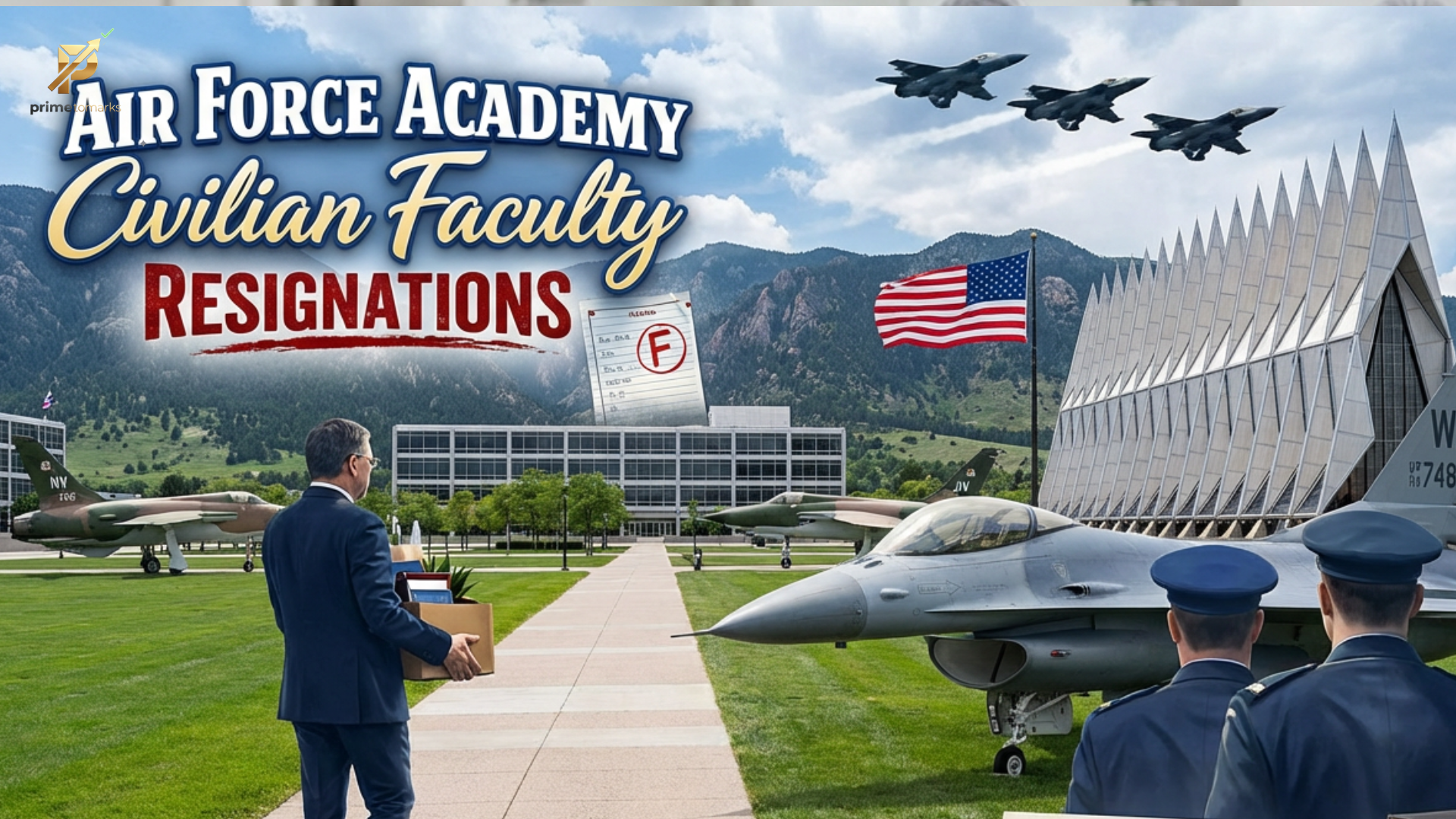
Introduction to the Air Force Academy and its Civilian Faculty
Recently, however, a wave of resignations by Air Force Academy civilian faculty has raised eyebrows across academic and military circles. The reasons behind these departures are complex and multifaceted. As we delve deeper into this issue, understanding the causes becomes crucial for both current students and those considering joining this prestigious institution. What does it mean for the future? Let’s explore further.
Recent Resignations of Civilian Faculty Members
Many faculty members who left did so after long tenures, having contributed significantly to their departments. Their absence leaves gaps not just in curriculum delivery but also in mentorship for cadets eager to gain real-world insights.
Some faculty cited increasing pressures and challenges within the academic environment as motivating factors. Others pointed to dissatisfaction with institutional support as a key reason for their departures.
This trend reflects broader issues that could impact both teaching quality and cadet experience at one of the nation’s premier military academies. The implications extend beyond just staffing shortages; they touch on morale, recruitment, and retention strategies moving forward.
Possible Causes of Resignations
One significant issue is compensation. Many faculty members feel their salaries do not reflect the level of expertise and commitment required for their roles. When better-paying opportunities arise elsewhere, it’s tempting to leave.
Another factor is administrative pressure. Some educators report feeling overwhelmed by bureaucratic demands that shift focus away from teaching and mentoring cadets. This can lead to burnout and frustration.
Additionally, a lack of support for research initiatives may hinder career growth prospects. Faculty who aim to publish or pursue innovative projects find themselves constrained by funding limitations or institutional policies.
Workplace culture plays a critical role in retention. If faculty sense an environment lacking collaboration or respect, they may seek positions where they feel more valued and empowered.
Impact on the Air Force Academy and its Cadets
With fewer experienced educators available, cadets may miss out on valuable insights that enhance their learning. This gap can hinder their development as future leaders and critical thinkers.
Moreover, morale among the remaining faculty might be affected. A sense of instability could permeate the campus, making it difficult to foster a cohesive educational atmosphere.
Cadets thrive in settings where they feel supported by skilled mentors. The loss of these educators raises concerns about whether students will receive adequate guidance during their formative years at the academy. Such changes have far-reaching implications for both individual growth and institutional reputation.
Responses from the Air Force Academy and Government Officials
In public statements, leaders highlighted plans for a thorough review of faculty conditions and support systems. They expressed dedication to fostering an environment conducive to teaching and research.
Government officials also weighed in, urging prompt action to address underlying issues that contribute to these resignations. Their focus is on ensuring that the academy remains a premier institution for training future leaders.
Some proposed enhanced benefits packages aimed at retaining skilled educators. Others suggested increased communication between administration and faculty members as essential for creating a more positive workplace atmosphere. These discussions reflect a broader awareness of the challenges facing academic institutions nationwide.
Addressing the Issues and Retaining Quality Faculty Members
Competitive compensation packages can make a significant difference in attracting and retaining talent. Offering performance-based incentives could motivate faculty to stay in the long term.
Professional development opportunities also play a crucial role. Workshops, conferences, and additional training can enhance skills and job satisfaction.
Creating a supportive environment fosters strong relationships among staff and administration. Building camaraderie boosts morale and encourages collaboration on innovative teaching methods.
Actively seeking feedback from current faculty about their experiences will provide valuable insights into necessary improvements. Addressing these issues head-on signals that the academy deeply values its educators.
Conclusion
With a rich history of developing future military leaders, maintaining a stable, dedicated faculty is essential to fostering an innovative learning environment. Addressing the root causes behind these resignations will be key to ensuring that quality educators remain engaged in shaping tomorrow’s officers.
As stakeholders continue to propose potential solutions, it remains crucial for both the Air Force Academy administration and government officials to prioritize strategies that address immediate concerns and foster a supportive environment for all faculty members. By focusing on retention initiatives, open communication channels, and professional development opportunities, they can help restore confidence amongst current staff while attracting new talent.
Navigating this situation thoughtfully will ultimately shape the quality of education provided to cadets preparing to take on critical roles within our nation’s defense framework. The commitment to excellence must extend beyond classroom instruction; it should encompass every aspect of faculty experience at one of America’s premier military academies.
