
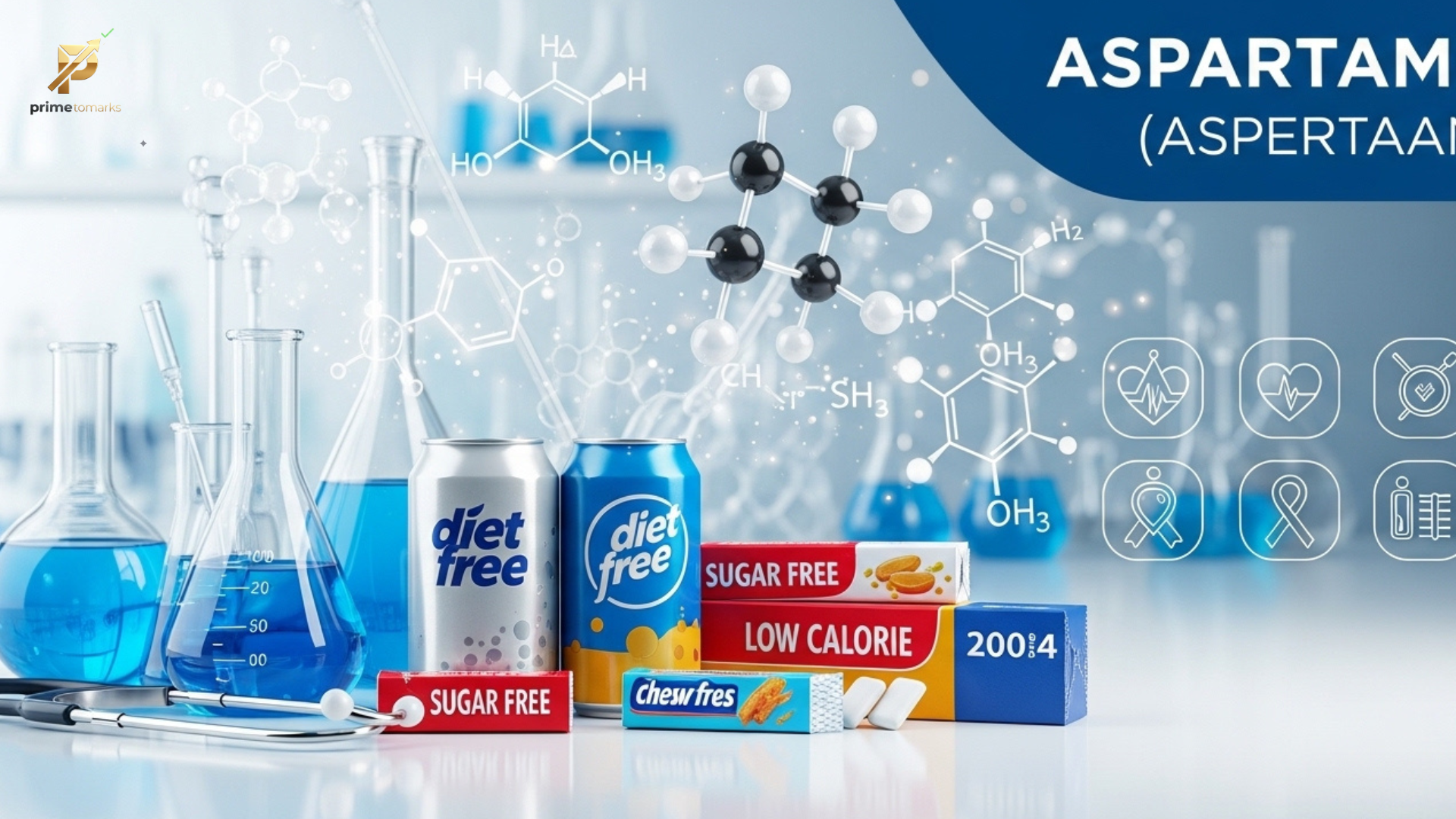
Aspartame is a low-calorie artificial sweetener that has remained at the center of nutritional discourse since its approval by the U.S. Food and Drug Administration (FDA) in 1981. Approximately 200 times sweeter than sucrose (table sugar), it is widely utilized in thousands of consumer products, ranging from diet sodas and sugar-free chewing gum to pharmaceutical drops and breakfast cereals.
Chemical Composition and Metabolism
Unlike many other synthetic sweeteners, aspartame is a methyl ester of a dipeptide, consisting of two amino acids: L-aspartic acid and L-phenylalanine. Because it is composed of amino acids found naturally in protein-containing foods, the body metabolizes aspartame similarly to protein. Upon ingestion, it breaks down into its constituent parts: aspartic acid, phenylalanine, and a small amount of methanol. Because of its intense sweetness, only a minute quantity is required to achieve the desired flavor profile, making its caloric contribution to the human diet negligible.
Regulatory Status and Safety Standards
The safety of aspartame has been evaluated by numerous international regulatory bodies, including the European Food Safety Authority (EFSA) and the Joint FAO/WHO Expert Committee on Food Additives (JECFA). These organizations have consistently established an Acceptable Daily Intake (ADI) of 40 milligrams per kilogram of body weight. To put this into perspective, an average adult weighing 70kg would need to consume approximately 12 to 36 cans of diet soda every single day to exceed the safety threshold.
In 2023, the International Agency for Research on Cancer (IARC) classified aspartame as “possibly carcinogenic to humans” (Group 2B). However, this classification is based on limited evidence and is often misunderstood; Group 2B also includes substances like aloe vera and pickled vegetables. Concurrently, the JECFA reaffirmed that there was no reason to change the previously established ADI, maintaining that the sweetener remains safe for general consumption within the defined limits.
Clinical Considerations and Contraindications
While aspartame is safe for the general population, there is one critical exception: individuals with Phenylketonuria (PKU). PKU is a rare genetic disorder that prevents the body from properly metabolizing phenylalanine. Since aspartame releases this amino acid during digestion, products containing the sweetener must carry a warning label to alert those with the condition.
Furthermore, some consumers report sensitivities to aspartame, citing headaches or digestive discomfort. While clinical trials have struggled to consistently replicate these symptoms under double-blind conditions, nutritional experts often suggest that individuals who experience adverse reactions should opt for alternative sweeteners or natural sugar sources.
The Role in Modern Diets
The primary utility of aspartame lies in weight management and glycemic control. By providing the sensory experience of sweetness without the caloric load or the insulin response associated with glucose, it serves as a tool for individuals managing obesity or Type 2 diabetes. However, health professionals emphasize that artificial sweeteners should be viewed as a transitional aid rather than a complete solution for a healthy lifestyle, as the long-term impact on gut microbiota and sweet-taste preference remains a subject of ongoing scientific inquiry.
