
The Internet Buzz Around Hawaiian Airlines
Videos capturing moments before the incident circulated widely. Many users shared their experiences, recounting feelings of anxiety mixed with disbelief. Hashtags like #HawaiianAirlinesA321neo trended as people sought to connect and share information.
Forums filled with discussions analyzing the aircraft’s technical details, while others questioned the airline’s transparency regarding safety protocols. Speculation ran rampant—some hinted at deeper issues within the aviation industry itself.
As news outlets picked up the story, headlines ranged from sensationalist to more balanced. The public’s fascination only grew as they sifted through facts and fiction in search of clarity amid uncertainty surrounding air travel safety today.
What Triggered the Mechanical Issue?
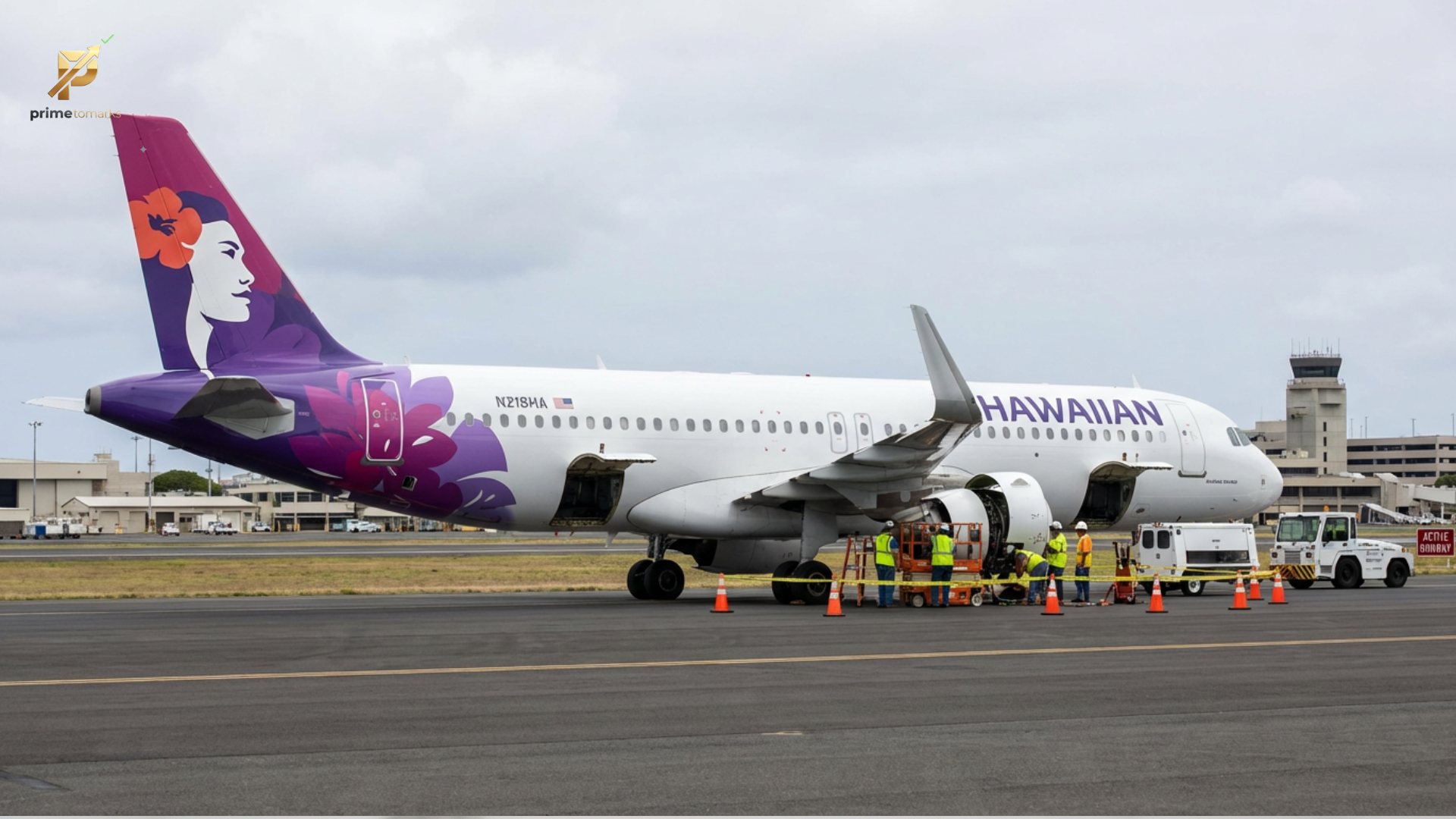
Initial reports suggest that the problem stemmed from an engine malfunction. This involved a specific component that monitors performance and efficiency, raising alarms just before takeoff.
Technicians quickly sprang into action to assess the situation. Their expert analysis revealed that while sensitive technology plays a crucial role, it can also be susceptible to unexpected failures.
A combination of factors might have led to this incident, including wear and tear or environmental conditions during pre-flight checks.
While frustrating for passengers, such issues are not uncommon in aviation and highlight the importance of consistently rigorous safety protocols across airlines.
Inside the A321neo Technology
One standout feature is the Pratt & Whitney GTF engines. These power plants offer up to 16% more fuel efficiency than their predecessors. This translates to lower operational costs and reduced environmental impact.
Inside, passengers enjoy enhanced comfort thanks to improved cabin designs. The spacious layout allows for larger windows and quieter cabins, making the flight experience pleasant even at cruising altitude.
Moreover, the aircraft’s fly-by-wire system optimizes performance in real-time. It adjusts control surfaces based on flight conditions, ensuring smoother handling.
Together, these elements make the A321neo not just an engineering feat but also a vessel that elevates passenger experience. It’s no wonder airlines are investing heavily in this model as they look towards a sustainable future in aviation.
Was Passenger Safety Ever at Risk?
However, it’s essential to clarify that passenger safety was never compromised. The airline quickly addressed the mechanical issue in accordance with its established protocols. Trained professionals meticulously assessed the situation before allowing any flights to continue.
Aircraft like the A321neo come equipped with numerous safeguards. These designs prioritize redundancy in critical systems, ensuring that if one component fails, others maintain functionality.
Additionally, regulatory bodies closely monitor airlines to ensure compliance with safety standards. This oversight ensures incidents are thoroughly investigated to prevent future occurrences and protect travelers on every journey.
This is an alternative post to this article: https://primetomarks.com/cp4-disaster-prevention-kit/
Airline Statement vs Online Rumors
Contrastingly, online rumors spread like wildfire. Social media platforms became breeding grounds for speculation and half-truths. Some claimed severe malfunctions, while others suggested a cover-up of significant safety hazards.
The disparity between Hawaiian’s statements and rampant online chatter fueled confusion among travelers. Many were left wondering what information they could trust.
As details emerged, it became clear that communication played a crucial role in shaping public perception. Misinformation can escalate quickly when clarity is lacking, underscoring the need for airlines to engage their audiences during crises proactively.
Similar Past Incidents
Airbus has had its share of challenges, too. The A380 experienced engine problems shortly after launch, prompting reviews and updates across fleets globally. Each incident serves as a reminder that technology can sometimes falter unexpectedly.
These past occurrences sparked conversations around safety protocols and maintenance checks. Airlines must balance innovation with reliability, ensuring passenger trust remains intact amid occasional hiccups.
Every incident offers lessons for manufacturers and airlines alike, pushing them to adopt stricter measures going forward. Despite isolated failures, the aviation industry continues to evolve toward higher safety standards while maintaining transparency with passengers about issues such as the recent mechanical issue with a Hawaiian Airlines A321neo.
How Airlines Prevent Future Failures
Innovative systems monitor performance in real-time. These technologies can detect anomalies before they escalate into serious issues. Data analytics helps predict potential problems based on historical patterns.
Pilot training is another key area of focus. Simulators prepare crews for various scenarios, enhancing their decision-making skills under pressure. This proactive approach empowers pilots to handle unexpected situations safely.
Collaboration with manufacturers also plays a vital role. Airlines work closely with companies like Airbus and Boeing to address design vulnerabilities and implement upgrades swiftly when needed.
Cultivating a culture of safety among all staff members ensures that everyone remains vigilant about risks, contributing to overall operational reliability across the fleet.
Impact on Hawaiian Airlines Reputation
Airlines thrive on public perception. Trust is crucial in the aviation industry. Travelers may hesitate to book with them after hearing about technical problems, even if they seem minor.
Social media amplifies concerns quickly. One tweet or post can reach thousands of people in seconds, painting a picture that may not accurately reflect reality. The fear of flying often stems from such stories.
However, Hawaiian Airlines has built a solid reputation over the years. Their commitment to safety and customer service remains strong. How they handle this situation will play a significant role in maintaining their image moving forward.
Transparency is key now more than ever, as passengers seek reassurance during uncertain times like these.
FAQs About the A321neo Mechanical Issue
Recently, a mechanical issue sparked concern among passengers and airline enthusiasts. Reports indicated an unexpected technical glitch during routine operations.
Were flights canceled due to this incident?
Yes, some flights experienced delays or cancellations as the airline prioritized safety. Passengers were promptly informed of any changes.
Is the A321neo generally reliable?
The Airbus A321neo is known for its advanced technology and efficiency. Nonetheless, like any aircraft, occasional issues can arise.
How does Hawaiian Airlines handle such situations?
Hawaiian Airlines has protocols in place to address mechanical concerns swiftly. They work closely with maintenance teams to ensure passenger safety remains a top priority.
Will this affect future bookings on Hawaiian Airlines?
While incidents can raise questions, airlines often reassure travelers through transparent communication and commitment to service quality. Most customers feel confident flying after addressing these issues directly.
Final Thoughts
While aviation technology continues to advance, incidents like this remind us of the importance of rigorous maintenance and safety practices. Hawaiian Airlines’ transparency plays a critical role in maintaining public trust during such situations.
Passengers flying on their A321neo can take comfort knowing airlines are continually refining their systems to enhance reliability. With ongoing developments in aircraft technology, we can hope for even safer skies ahead.
