
The digital age has fundamentally transformed how audiences consume media. Gone are the days of physical rentals or rigid television schedules; today, the “on-demand” culture dictates the entertainment industry. Within this ecosystem, platforms like Kipflix have emerged, offering users unrestricted access to a vast library of cinematic content without subscription fees. However, the world of free streaming is complex, balancing accessibility, legal implications, user experience, and cybersecurity risks. This article provides a comprehensive exploration of Kipflix and the broader implications of utilizing free movie streaming services.
The Rise of Alternative Streaming Platforms
To understand the appeal of Kipflix, one must first look at the state of the mainstream streaming market. While services like Netflix, Disney+, and HBO Max offer high-quality original programming, the market has become increasingly fragmented. Consumers are often forced to subscribe to multiple services to access their favorite shows, leading to “subscription fatigue.”
Kipflix positions itself as a solution to this fragmentation. By aggregating content from various sources into a single, searchable interface, it offers a convenience factor that paid services often lack. For many users, particularly those in regions where mainstream services are unavailable or prohibitively expensive, platforms like Kipflix represent a bridge across the digital divide.
How Kipflix and Similar Sites Operate
Kipflix typically operates as an indexing site. Rather than hosting the video files directly on its own servers—which would require massive infrastructure and increase legal liability—the site provides links to third-party servers where the content is stored.
The library on Kipflix is generally categorized by genre, release year, and popularity. Users can find everything from the latest Hollywood blockbusters and trending television series to niche independent films and international cinema. Most of these sites use an embedded video player that allows instant streaming, often offering multiple server options so that if one link fails, another is available to take its place.
The User Experience: Features and Functionality
The primary draw of Kipflix is its user-centric design. Unlike many legal free-to-watch platforms (such as Tubi or Pluto TV), Kipflix does not typically require user registration. This anonymity is highly valued by users who wish to avoid sharing personal data or credit card information.
- Search and Navigation: Most iterations of the site feature a robust search bar and a filtering system that allows users to sort by IMDb rating, quality (ranging from CAM and SD to HD and 4K), and genre.
- Compatibility: These platforms are generally responsive, meaning they work across desktops, laptops, tablets, and smartphones.
- Content Variety: The speed at which new releases appear on these sites is a significant factor in their popularity. Often, movies still in theaters or just premiered on premium cable find their way onto Kipflix within hours.
The Legal and Ethical Landscape
The most contentious aspect of Kipflix is its legal status. In most jurisdictions, hosting or distributing copyrighted material without the permission of the copyright holder is a violation of intellectual property laws. While the laws regarding the viewing of such content vary by country, the sites themselves often operate in a “gray zone” or in direct defiance of international copyright treaties.
From an ethical standpoint, the use of free streaming sites impacts the creative industry—the revenue generated by subscriptions and box office sales funds the production of future content. When audiences opt for free alternatives, it can reduce the budget available to filmmakers, actors, and production crews. Conversely, some advocates for free access argue that many of these users would never have paid for the content anyway, and that piracy can sometimes serve as a form of “word-of-mouth” marketing.
Risks and Cybersecurity Concerns
While the promise of free movies is enticing, it comes with significant risks. Operating a high-traffic website without subscription revenue requires alternative monetization strategies, which often include aggressive advertising.
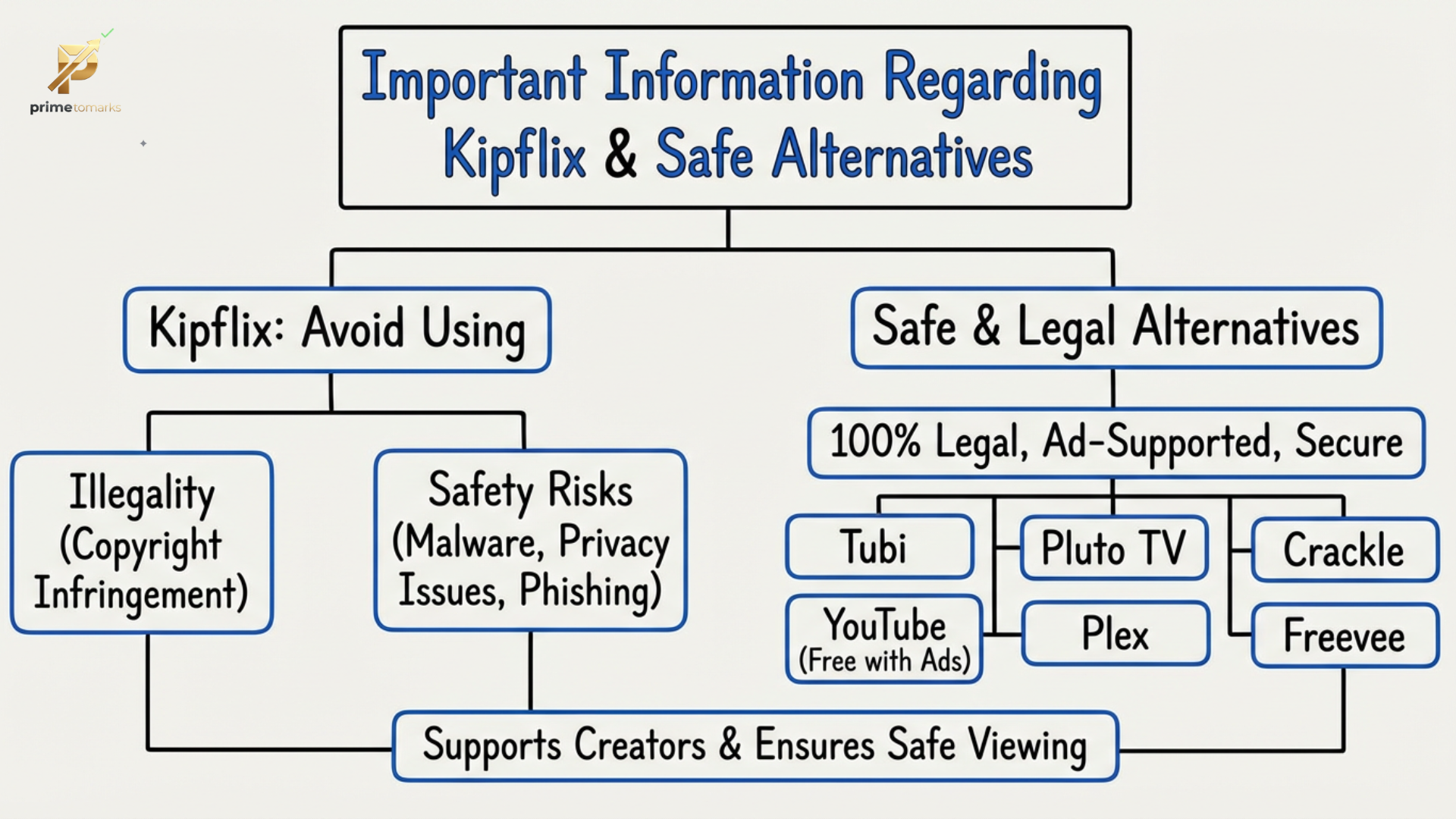
- Malware and Adware: Many free streaming sites are rife with pop-up ads and redirects. Clicking on these can occasionally trigger the download of malicious software, such as keyloggers, ransomware, or adware, which can degrade the user’s device’s performance.
- Phishing Scams: Users may encounter “system update” prompts or fake security alerts designed to trick them into revealing sensitive information.
- Data Privacy: Without a transparent privacy policy or encryption, users’ IP addresses and browsing habits may be tracked by third parties.
To mitigate these risks, seasoned users of such platforms often employ a suite of protective tools, including Virtual Private Networks (VPNs) to mask their location, robust ad-blockers to prevent intrusive scripts, and up-to-date antivirus software.
The Technical Evolution of Streaming
The existence of Kipflix is a testament to the evolution of web technologies. The transition from Peer-to-Peer (P2P) file sharing (like BitTorrent) to browser-based streaming has lowered the barrier to entry for the average user. Modern web players use HLS (HTTP Live Streaming) and DASH (Dynamic Adaptive Streaming over HTTP), which allow smooth playback even on slower internet connections by adjusting video quality in real time.
Furthermore, the rise of “mirrors” and “proxy sites” ensures that if authorities take down a main domain, the service can reappear under a different URL almost instantly. This “whack-a-mole” dynamic makes it incredibly difficult for regulatory bodies to shutter such platforms permanently.
Alternatives to Kipflix: The Legal Route
For those who wish to avoid the risks associated with sites like Kipflix, there is a growing market for legal, ad-supported streaming services (AVOD). Platforms such as:
- Tubi: Owned by Fox, it offers a massive library of licensed movies and shows.
- The Roku Channel: Provides free content to anyone with a Roku account or the app.
- Kanopy and Hoopla: These services allow users to stream high-quality films for free using a library card from participating public libraries or universities.
These alternatives provide a safer, high-definition experience while ensuring that creators are compensated through advertising revenue.
Conclusion
Kipflix represents a specific phenomenon in the digital era: the demand for universal access to information and entertainment. Its popularity highlights the gaps in the current streaming market, particularly regarding affordability and content consolidation. However, the convenience of “free” comes at the cost of legal uncertainty and potential security vulnerabilities.
As the battle between copyright holders and free streaming platforms continues, the responsibility falls on the consumer to weigh the benefits of instant, free access against the potential risks to their digital safety and the broader health of the creative economy. Whether platforms like Kipflix will survive the next wave of digital regulation remains to be seen, but they have undoubtedly left a mark on how the world views and accesses cinema.
